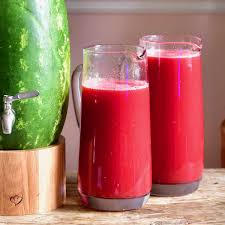
Nothing captures the taste of summer quite like a glass of fresh watermelon juice. This naturally sweet and refreshing drink is loved around the world for its vibrant color, juicy flavor, and incredible ability to keep you hydrated on hot days. Unlike commercially bottled beverages that often contain artificial colors, preservatives, and excessive added sugars, homemade watermelon juice is made with simple, wholesome ingredients that allow the fruit’s natural sweetness to shine. Whether you’re preparing a healthy breakfast drink, a cooling afternoon refreshment, or a colorful beverage for family gatherings, watermelon juice is a delicious choice that fits almost any occasion. Its light texture, fresh aroma, and naturally high water content make it one of the easiest and healthiest fruit drinks you can prepare at home. With only a few ingredients and minimal preparation, you can enjoy a naturally flavorful beverage that tastes far better than most store-bought alternatives while giving you complete control over sweetness and additional flavorings.
Understanding Watermelon and Why It Makes Excellent Juice
Watermelon has been enjoyed for centuries and remains one of the world’s most popular summer fruits. Known for its crisp texture, vibrant red flesh, and naturally sweet taste, watermelon belongs to the same botanical family as cucumbers, pumpkins, and squash. What makes this fruit particularly suitable for homemade juice is its exceptionally high water content, which allows it to blend into a smooth, refreshing drink without requiring extra liquid. Its natural sugars provide pleasant sweetness while its delicate fruit flavor pairs beautifully with citrus, herbs, and tropical ingredients. Watermelon can be transformed into far more than a simple drink, serving as the base for smoothies, frozen treats, mocktails, fruit punches, and refreshing coolers. However, classic watermelon juice remains one of the simplest and most satisfying ways to enjoy this seasonal fruit. Because the fruit is naturally juicy, preparation is quick and effortless, making it ideal even for beginners who have little experience preparing homemade beverages.
Benefits of Making Watermelon Juice at Home
Preparing watermelon juice from scratch offers several advantages beyond exceptional taste. Fresh homemade juice contains only the ingredients you choose, allowing you to avoid preservatives, artificial sweeteners, synthetic colors, and unnecessary additives commonly found in packaged beverages. Since ripe watermelon is naturally sweet, many batches require little or no additional sweetener, making this drink a healthier alternative to sugary sodas and processed fruit drinks. Homemade preparation also allows complete flexibility in adjusting sweetness, acidity, texture, and serving style according to personal preference. Some people enjoy silky smooth juice, while others prefer a slightly pulpy texture. Fresh juice can be customized with lemon, lime, mint, ginger, basil, or coconut water to create unique flavor combinations while maintaining the refreshing character of watermelon. Making juice at home is also economical during watermelon season, especially when large ripe fruits are readily available. Every glass delivers fresh flavor that simply cannot be matched by long-shelf-life commercial products.
Nutritional Value That Makes Watermelon Juice So Popular
Fresh watermelon juice is appreciated not only for its delicious taste but also for its naturally occurring nutrients. The fruit contains vitamin C, vitamin A, potassium, magnesium, antioxidants, and naturally occurring plant compounds that contribute to its vibrant color. One of watermelon’s most recognized compounds is lycopene, a naturally occurring antioxidant responsible for the fruit’s deep red flesh. Watermelon also contains citrulline, an amino acid naturally present in the fruit. Because watermelon consists of approximately ninety percent water, it is one of the most hydrating fruits available. This combination of hydration and naturally occurring nutrients makes watermelon juice a refreshing addition to a balanced eating pattern. Although no single beverage should be considered a complete nutritional solution, enjoying fresh fruit-based drinks prepared from whole ingredients is an excellent way to include more fruit in everyday meals while reducing reliance on heavily processed beverages.
Choosing the Best Watermelon for Sweet and Flavorful Juice
The quality of homemade watermelon juice depends greatly on selecting ripe, flavorful fruit. A properly ripened watermelon will naturally contain more juice, better sweetness, and a richer aroma, eliminating the need for excessive added sugar. When shopping, choose a watermelon that feels heavy for its size, indicating a high water content. A creamy yellow field spot usually suggests that the fruit remained on the vine long enough to fully ripen. The surface should appear slightly dull rather than shiny, while the overall shape should be symmetrical without major dents or irregularities. Gently tapping the fruit may produce a hollow sound, which many people associate with ripeness. Avoid melons with cracks, mold, soft spots, or bruises, as these can affect both texture and flavor. Spending a few extra minutes selecting quality fruit often results in noticeably sweeter, more refreshing juice that requires very little additional flavor enhancement.
Essential Ingredients for Homemade Watermelon Juice
One reason this refreshing beverage has become a favorite worldwide is its remarkably simple ingredient list. The main ingredient is ripe watermelon, cut into cubes after removing the rind. Fresh lemon juice is commonly added to brighten the flavor and provide a pleasant citrus balance that enhances the fruit’s natural sweetness. Ice cubes help create an extra-cold drink, especially during warm weather, while optional honey or sugar can be added only if the watermelon lacks sweetness. Beyond the basic recipe, numerous optional ingredients allow endless customization. Fresh mint leaves contribute cooling herbal notes, ginger introduces gentle warmth, black salt adds a savory twist popular in South Asian variations, while basil, lime juice, orange juice, or coconut water create refreshing regional adaptations. Despite these creative options, the classic combination of ripe watermelon, lemon juice, and ice remains one of the most satisfying and naturally refreshing homemade beverages.
Kitchen Tools You’ll Need for Easy Preparation
Making fresh watermelon juice requires only a handful of everyday kitchen tools. A sturdy cutting board and sharp knife make it easy to safely cut the fruit into manageable pieces before removing the rind. A blender is the primary appliance used to transform juicy watermelon cubes into a smooth beverage within seconds. A large bowl is useful for collecting prepared fruit, while a spoon helps remove any visible seeds. Chilled serving glasses enhance the final presentation and keep the drink colder for longer. Those who prefer exceptionally smooth juice may also use a fine mesh strainer to remove excess pulp, although many people enjoy the natural texture. Additional optional equipment such as a citrus juicer, cocktail shaker, ice crusher, or high-speed blender can further improve convenience, but they are not essential for producing delicious homemade watermelon juice.
How to Prepare Fresh Watermelon Juice Like a Pro
Making homemade watermelon juice is simple, but following the right preparation steps ensures the best flavor, texture, and freshness. Start by washing the entire watermelon thoroughly before cutting. Even though the rind is not eaten, cleaning the outside helps prevent bacteria from transferring to the fruit during slicing. Place the watermelon on a sturdy cutting board and trim both ends to create a stable base. Slice it in half, then cut each half into manageable wedges. Carefully remove the thick rind and cut the bright red flesh into medium-sized cubes. If using a seeded variety, remove the large black seeds before blending. The small white seeds are generally soft and do not usually affect the final drink. For the coldest and most refreshing juice, refrigerate the watermelon cubes for one to three hours before blending, or freeze them briefly if you prefer a thicker, slushy consistency. Proper preparation not only improves flavor but also creates a smoother blending process and a more enjoyable finished beverage.
Step-by-Step Method for Making Homemade Watermelon Juice
Once the watermelon has been prepared, transfer the chilled cubes into a blender jar. Blend on high speed for approximately 30 to 60 seconds until the fruit becomes completely smooth and liquid. Watermelon naturally contains enough moisture that additional water is rarely necessary. Add fresh lemon juice to brighten the natural sweetness and gently balance the flavor. Taste the juice before adding any sweetener because a ripe watermelon often provides all the sweetness required. If desired, stir in a small amount of honey or sugar according to your preference. Those who enjoy an ultra-smooth drink may strain the juice through a fine mesh sieve to remove extra pulp, while others prefer leaving the pulp for a richer texture and additional fiber. Pour the finished juice into chilled serving glasses filled with ice cubes and serve immediately while the flavor is at its freshest. This straightforward preparation creates a naturally sweet, colorful beverage that highlights the fruit’s fresh taste without unnecessary ingredients.
Popular Watermelon Juice Variations to Try at Home
One of the greatest advantages of homemade watermelon juice is how easily it can be customized using fresh ingredients. Mint is one of the most popular additions because it provides a cooling herbal aroma that complements watermelon beautifully. Fresh ginger introduces a mild spicy warmth that balances the sweetness without overpowering the fruit. Coconut water creates a tropical version with an extra-refreshing finish, while fresh lime juice adds bright citrus notes for a slightly tangier drink. In South Asian kitchens, a pinch of black salt and roasted cumin powder transforms watermelon juice into a savory, refreshing summer beverage. Middle Eastern-inspired versions often include fresh mint and a small amount of rose water for delicate floral notes. Other delicious combinations include strawberries, pineapple, oranges, cucumbers, basil, and sparkling water for café-style refreshers. These variations allow you to enjoy a different version of watermelon juice throughout the season while still preserving its naturally refreshing character.
Serving Ideas That Make Watermelon Juice Even More Enjoyable
Presentation plays an important role in enhancing the overall drinking experience. Serving watermelon juice in chilled glasses helps maintain its refreshing temperature for longer, especially during warm weather. Garnish each glass with a small watermelon wedge, a slice of lemon, or a fresh sprig of mint for a colorful finish. Decorative ice cubes containing mint leaves or tiny fruit pieces create an attractive appearance for parties and family gatherings. Watermelon juice pairs wonderfully with light summer meals, grilled foods, salads, sandwiches, breakfast dishes, and picnic snacks. It can also be served alongside brunch menus or used as the base for alcohol-free mocktails by combining it with sparkling water and citrus slices. Frozen watermelon cubes may be used instead of regular ice to prevent dilution while keeping the drink perfectly chilled. Whether served at casual family lunches or elegant celebrations, homemade watermelon juice always adds freshness and vibrant color to the table.
Storage Tips for Maximum Freshness
Fresh watermelon juice tastes best immediately after blending because the fruit’s natural aroma and flavor are strongest when freshly prepared. However, if necessary, it can be stored in an airtight container inside the refrigerator for up to twenty-four hours. Stir or shake the juice well before serving because natural separation may occur during storage. If preparing large batches for parties, refrigerate the juice until serving time and keep it chilled over ice. Watermelon juice can also be frozen in ice cube trays, making convenient fruit cubes that can later be blended into smoothies or added to other beverages without watering them down. If the juice develops an unusual sour smell, foaming, or signs of fermentation, it should be discarded immediately. Proper refrigeration and clean preparation methods help maintain both quality and freshness while reducing waste.
Health Benefits of Fresh Watermelon Juice
Homemade watermelon juice offers much more than refreshing flavor. Because watermelon is naturally rich in water, every serving contributes to daily hydration, making it especially valuable during hot weather or after outdoor activities. The fruit supplies vitamin C and vitamin A along with naturally occurring antioxidants such as lycopene, which gives watermelon its vibrant red color. Potassium and magnesium are also present, contributing to the fruit’s nutritional profile. Watermelon naturally contains citrulline, an amino acid found in the fruit. Choosing freshly prepared juice instead of heavily processed beverages also reduces unnecessary preservatives and artificial ingredients. Although watermelon juice should be enjoyed as part of a balanced eating pattern rather than viewed as a cure for health conditions, its refreshing nature and nutrient content make it a smart addition to a healthy lifestyle. When combined with a nutritious diet, homemade fruit beverages provide an enjoyable way to increase fruit consumption.
Notes for Consistently Delicious Results
A few simple techniques can make every batch of watermelon juice taste even better. Always begin with fully ripe fruit because sweetness depends almost entirely on watermelon quality. Chill the fruit before blending instead of adding excessive ice, which can dilute flavor. Taste the juice before adding sugar since many ripe watermelons require no additional sweetener at all. Blend herbs such as mint only briefly because over-processing may create bitterness. If using lemon or lime, start with a small quantity and gradually increase until the sweetness and acidity feel balanced. Those who enjoy smoother juice can strain it, while others may leave the pulp for a richer mouthfeel. Prepare only the amount you plan to serve immediately whenever possible because fresh juice always delivers the brightest flavor. Small adjustments in acidity, sweetness, and serving temperature can make a noticeable difference in the final beverage.
Watermelon Juice Recipe
Description
Fresh Watermelon Juice is a naturally sweet, refreshing, and hydrating summer drink made with ripe watermelon and a few simple ingredients. This homemade fruit juice is packed with natural flavor and can be enjoyed as a healthy breakfast beverage, afternoon refresher, or cooling drink on hot days. The recipe comes together in just a few minutes and can be customized with fresh mint, lemon, or lime for extra freshness. Whether you’re serving it at family gatherings, picnics, or backyard parties, this easy watermelon juice is always a crowd-pleaser.
Preparation & Cooking Duration
- Preparation Time: 10 minutes
- Cooking Time: None
- Total Time: 10 minutes
Serving
- Servings: 4 glasses
Course
Beverage, Drink
Cuisine
International, Summer Refreshment
Difficulty
Easy
Ingredients
- 6 cups ripe watermelon, cut into cubes (seedless or seeds removed)
- 1 tablespoon fresh lemon juice (optional)
- 1–2 teaspoons honey or granulated sugar (optional, adjust to taste)
- Ice cubes, as needed
- Fresh mint leaves for garnish (optional)
Optional Flavor Additions
- Fresh mint leaves
- Lime juice instead of lemon juice
- Coconut water
- Fresh grated ginger
- Sparkling water for a fizzy version
Step-by-Step Instructions
Step 1: Prepare the Watermelon
Wash the watermelon thoroughly before cutting. Remove the rind and large seeds if necessary. Cut the flesh into medium-sized cubes.
Step 2: Blend
Place the watermelon cubes into a high-speed blender. Blend for about 30–60 seconds until completely smooth.
Step 3: Add Flavor
Pour in the fresh lemon juice. If desired, add honey or sugar according to your preferred sweetness and blend briefly again.
Step 4: Strain (Optional)
For a smoother juice, pour the mixture through a fine-mesh strainer into a pitcher. Skip this step if you enjoy the natural pulp.
Step 5: Chill and Serve
Fill serving glasses with ice cubes. Pour the fresh watermelon juice over the ice.
Step 6: Garnish
Decorate each glass with fresh mint leaves or a small watermelon wedge. Serve immediately while cold.
Notes
- Choose a fully ripe watermelon for the sweetest flavor.
- Chill the watermelon before blending for a naturally cold drink.
- Taste before adding sweetener since ripe watermelon is naturally sweet.
- Fresh lemon juice enhances the overall flavor without overpowering the fruit.
- The juice is best enjoyed immediately after preparation.
- Store leftovers in an airtight container in the refrigerator for up to 24 hours and stir before serving.
- Freeze leftover juice into ice cubes for smoothies or refreshing drinks.
Nutritional Information (Approximate Per Serving)
- Calories: 85 kcal
- Carbohydrates: 21 g
- Protein: 2 g
- Fat: 0 g
- Saturated Fat: 0 g
- Dietary Fiber: 1 g
- Natural Sugars: 18 g
- Sodium: 3 mg
- Potassium: 320 mg
- Vitamin A: 18% DV
- Vitamin C: 25% DV
- Calcium: 2% DV
- Iron: 3% DV
