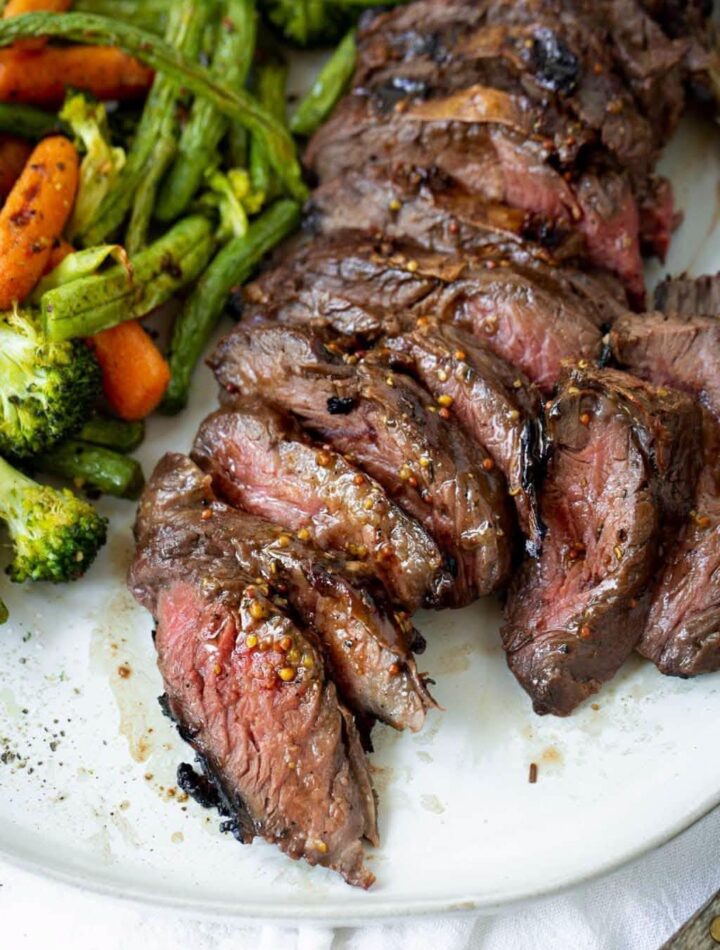
Why This Steak Marinade Is Perfect for Every Steak Lover
A great steak starts with quality meat, but the secret to making it incredibly juicy and packed with flavor is using a well-balanced steak marinade. Whether you are grilling outdoors during summer, cooking on a grill pan indoors, or preparing a special family dinner, this homemade steak marinade helps transform an ordinary cut of beef into a restaurant-quality meal. The combination of olive oil, Worcestershire sauce, balsamic vinegar, soy sauce, lemon juice, Dijon mustard, brown sugar, garlic, and Italian seasoning creates layers of savory, tangy, and slightly sweet flavors that penetrate the meat while helping it remain tender throughout cooking. This recipe works beautifully for hanger steak, but it is also excellent for skirt steak, flank steak, ribeye, New York strip, and filet mignon. Instead of relying on bottled marinades filled with preservatives, this homemade version uses simple pantry ingredients to create rich flavor naturally. Whether you enjoy your steak medium rare or well done, this easy steak marinade provides consistent results every time. It is easy enough for beginners yet impressive enough for experienced home cooks looking to prepare the perfect grilled steak with minimal effort.
Understanding the Purpose of a Steak Marinade
A steak marinade does much more than simply coat the meat with flavor. Every ingredient has a specific role that contributes to the final result. Olive oil forms the base and helps distribute seasonings evenly while keeping the steak moist during grilling. Acidic ingredients such as balsamic vinegar and fresh lemon juice gently tenderize the surface of the meat without overpowering its natural flavor when used for the proper amount of time. Worcestershire sauce and soy sauce bring deep umami richness while also adding salt that enhances the meat’s natural juices. Dijon mustard contributes subtle sharpness and helps blend the marinade ingredients together. Brown sugar balances the acidity while encouraging beautiful caramelization on the grill, giving the steak an attractive crust. Garlic and Italian seasoning provide aromatic flavor that complements beef without masking its richness. When these ingredients work together, they create a balanced marinade capable of improving texture, enhancing taste, and producing a juicy steak that is bursting with flavor in every bite. Understanding these components allows you to appreciate why homemade marinades consistently outperform many store-bought alternatives.
Ingredients That Create the Best Homemade Steak Marinade
One of the reasons this steak marinade recipe has become a favorite among home cooks is its combination of simple ingredients that deliver exceptional flavor. The foundation begins with extra virgin olive oil, which helps carry seasonings into the meat while preventing the steak from drying out during cooking. Worcestershire sauce provides a bold savory flavor that pairs naturally with beef, while soy sauce adds saltiness and rich umami depth. Fresh lemon juice introduces brightness and balances the richness of the steak. Balsamic vinegar contributes gentle sweetness and acidity, helping to tenderize the meat while supporting caramelization during grilling. Stone ground Dijon mustard adds complexity and helps emulsify the marinade. Dark brown sugar softens the sharpness of the acidic ingredients and creates an appealing crust once grilled. Italian seasoning adds a blend of herbs that enhance the overall flavor profile. Fresh minced garlic gives the marinade a robust aroma, while black pepper and kosher salt complete the seasoning. Together, these ingredients create one of the most flavorful steak marinades you can prepare using everyday kitchen staples.
Choosing the Right Cut of Steak for Maximum Flavor
Although this recipe highlights hanger steak, many different cuts of beef work wonderfully with this marinade. Hanger steak is prized for its rich beef flavor and tender texture when cooked correctly, making it a favorite among chefs and steak enthusiasts. However, because it is less common than other cuts, it may only be available at specialty butcher shops rather than standard grocery stores. If hanger steak is unavailable, skirt steak is an excellent substitute because its loose muscle fibers absorb marinades exceptionally well. Flank steak is another outstanding option, especially for slicing thinly against the grain after grilling. Ribeye offers generous marbling that combines beautifully with this savory marinade, while New York strip provides a firm texture and bold beef flavor. Even premium cuts such as filet mignon benefit from the balanced seasoning without losing their natural tenderness. Each cut offers a slightly different eating experience, yet this versatile steak marinade enhances them all, making it a dependable recipe regardless of which steak you choose for your meal.
How to Prepare Steak Marinade for the Best Results
Making this homemade steak marinade requires only a few minutes, making it one of the easiest ways to elevate your grilling routine. Begin by placing the olive oil, Worcestershire sauce, lemon juice, balsamic vinegar, soy sauce, Dijon mustard, brown sugar, Italian seasoning, minced garlic, black pepper, and kosher salt into a large zip-top bag or mixing bowl. Seal the bag or whisk the ingredients together until everything is thoroughly combined. Add the hanger steak to the marinade, ensuring every surface is evenly coated. Remove excess air if using a bag before sealing it securely. Refrigerate the steak for at least one hour so the flavors have time to penetrate the surface. For deeper flavor, allow the steak to marinate for several hours, but avoid exceeding twelve hours because the acidic ingredients may begin affecting the meat’s texture. Once marinated, remove the steak from the refrigerator while preparing the grill. This simple preparation process requires little effort but delivers noticeable improvements in tenderness, moisture, and flavor, making every bite more enjoyable.
The Ideal Marinating Time for Tender and Juicy Steak
One of the most common questions when preparing grilled steak is how long the meat should remain in the marinade. Timing plays an important role because it directly affects both texture and flavor. For this homemade steak marinade, allowing the steak to marinate for at least one hour gives the ingredients enough time to season the outer layers of the meat. If you have additional time, extending the marinating period to six or even twelve hours creates a richer flavor profile without compromising the texture. However, leaving the steak in the marinade for too long is not recommended. Since this recipe contains acidic ingredients such as lemon juice and balsamic vinegar, excessive marinating can begin breaking down the proteins too much, resulting in a soft or mushy texture. Many home cooks find that preparing the marinade in the morning before work and grilling the steak for dinner produces excellent results. Planning ahead ensures maximum flavor while maintaining the steak’s natural firmness and juicy bite. A properly timed marinade creates balanced seasoning, improved tenderness, and a delicious crust after grilling, making every slice taste fresh, flavorful, and perfectly cooked.
Grilling Steak to Perfection Every Time
Cooking steak properly is just as important as preparing a flavorful marinade. Before placing the steak on the grill, preheat the grill to high heat and lightly oil the grates to prevent sticking. Once the grill is fully heated, place the marinated steak directly over the heat and reduce the temperature slightly to medium-high. This technique creates an attractive seared crust while allowing the inside to cook evenly. Cooking time depends on the thickness of the steak and your preferred level of doneness, but most hanger steaks require approximately four to eight minutes per side. Rather than relying solely on cooking time, using a reliable meat thermometer provides the most accurate results. After grilling, transfer the steak to a clean plate and allow it to rest for five to ten minutes before slicing. Resting allows the juices to redistribute throughout the meat instead of escaping onto the cutting board. Skipping this step often results in drier steak. Slicing the steak against the grain further improves tenderness, creating a restaurant-quality texture that is easy to chew and full of juicy flavor.
Understanding Steak Doneness for the Best Eating Experience
Every steak enthusiast has a favorite level of doneness, and understanding internal temperatures helps achieve consistent results. Rare steak reaches approximately 130°F and remains cool with a bright red center. Medium rare, often considered the ideal balance between tenderness and flavor, reaches around 135°F and features a warm red center with exceptional juiciness. Medium steak is cooked to approximately 145°F and offers a warm pink center with slightly firmer texture while still remaining moist. Medium-well steak reaches about 150°F, leaving only a small amount of pink in the center. Well-done steak reaches 160°F and has little to no pink remaining. Regardless of personal preference, using an instant-read thermometer removes guesswork and prevents accidental overcooking. Since steak continues cooking slightly while resting, removing it from the grill just before it reaches the final target temperature helps preserve moisture. Choosing the correct doneness ensures every steak delivers the flavor, tenderness, and texture you expect, making your homemade steak dinner enjoyable for every guest around the table.
Notes for Better Flavor, Storage, and Reheating
Several simple techniques can make this steak marinade recipe even more successful. If hanger steak is difficult to find at your local grocery store, ask a butcher or substitute another flavorful cut such as skirt steak, flank steak, ribeye, New York strip, or filet mignon. The marinade complements each of these options beautifully without requiring any ingredient changes. For those who enjoy a slightly sweeter finish, increasing the brown sugar slightly creates additional caramelization on the grill while balancing the acidity. Once cooked, leftover steak should be stored in an airtight container in the refrigerator and enjoyed within four days for the best quality. When reheating, avoid using high heat because it can quickly overcook the meat. Instead, place the steak on a wire rack over a baking sheet and warm it in a 250°F oven until the internal temperature reaches approximately 110°F. This gentle reheating method helps preserve moisture while maintaining tenderness. Proper storage and reheating techniques allow leftover steak to remain delicious for sandwiches, salads, wraps, or grain bowls the following day.
Why This Homemade Steak Marinade Deserves a Place in Your Recipe Collection
A dependable steak marinade is one of the most valuable recipes any home cook can master, and this version delivers everything needed for consistently delicious results. It combines pantry-friendly ingredients with a balanced blend of fat, acid, salt, and seasonings that work together to enhance both flavor and texture. Whether you are grilling for a family dinner, preparing steaks for a weekend barbecue, or serving guests during a special occasion, this marinade helps produce juicy, tender beef with a rich savory taste and beautifully caramelized exterior. Its versatility makes it suitable for numerous steak cuts, allowing you to adapt the recipe based on availability or personal preference without sacrificing quality. The simple preparation requires only a few minutes, while the marinating process does most of the work, making it perfect for busy schedules. Once you experience how flavorful, tender, and perfectly grilled your steak becomes with this homemade marinade, it is likely to become one of your favorite go-to recipes for every grilling season. Combining excellent flavor, straightforward preparation, and reliable results, this steak marinade truly transforms ordinary beef into an unforgettable meal that everyone will enjoy.
Marinated Beef Steak with the Best Homemade Steak Marinade
Description
This easy marinated beef steak recipe features a rich and flavorful homemade steak marinade made with olive oil, Worcestershire sauce, balsamic vinegar, soy sauce, Dijon mustard, lemon juice, garlic, and Italian seasoning. The balanced combination of savory, tangy, and slightly sweet ingredients helps tenderize the meat while creating a delicious caramelized crust on the grill. Perfect for hanger steak or other favorite cuts, this recipe delivers juicy, tender, restaurant-quality steak every time.
Preparation & Cooking Duration
- Preparation Time: 5 minutes
- Marinating Time: 1–12 hours
- Cooking Time: 15 minutes
- Total Time: Approximately 5 hours 20 minutes (including marinating)
Servings
- Serves: 4
Ingredients
Steak
- 1 hanger steak
Marinade
- ¼ cup extra virgin olive oil
- ¼ cup Worcestershire sauce
- Juice of 1 lemon
- ¼ cup balsamic vinegar
- ¼ cup soy sauce
- 1 tablespoon stone ground Dijon mustard
- 1 tablespoon dark brown sugar
- 1 teaspoon Italian seasoning
- 2 large garlic cloves, minced
- 1 teaspoon fresh black pepper
- 1 teaspoon kosher salt
Step-by-Step Instructions
- In a large zip-top bag or a mixing bowl, combine the extra virgin olive oil, Worcestershire sauce, lemon juice, balsamic vinegar, soy sauce, Dijon mustard, brown sugar, Italian seasoning, minced garlic, black pepper, and kosher salt.
- Mix the marinade thoroughly until the ingredients are evenly blended.
- Place the hanger steak into the marinade, ensuring every side of the steak is completely coated.
- Seal the bag or cover the bowl and refrigerate for 1 to 12 hours to allow the flavors to develop.
- Preheat the grill to high heat and lightly oil the grill grates to help prevent sticking.
- Remove the steak from the marinade and place it directly onto the hot grill. Reduce the heat to medium-high.
- Grill the steak for 4–8 minutes per side, depending on the thickness of the steak and your preferred level of doneness.
- Transfer the cooked steak to a clean plate and allow it to rest for 5–10 minutes before slicing.
- Slice the steak against the grain and serve immediately with your favorite vegetables, potatoes, salad, or rice.
Nutritional Information
Per Serving (Approximate)
- Calories: 360
- Protein: 31g
- Fat: 23g
- Saturated Fat: 5g
- Carbohydrates: 8g
- Sugar: 5g
- Fiber: 0g
- Sodium: 980mg
- Cholesterol: 85mg
Nutrition values are estimates and may vary depending on the exact ingredients and portion sizes used.
Notes
- Hanger steak is often available at specialty butcher shops. If it is unavailable, use skirt steak, flank steak, New York strip, ribeye, or filet mignon.
- For a slightly sweeter flavor, increase the brown sugar to ⅓ cup.
- Avoid marinating longer than 12 hours, as the acidic ingredients may begin to soften the meat too much.
- Always let the steak rest before slicing to retain its natural juices.
- Cook steak to your preferred internal temperature:
- Rare: 130°F
- Medium Rare: 135°F
- Medium: 145°F
- Medium Well: 150°F
- Well Done: 160°F
- Store leftover cooked steak in an airtight container in the refrigerator for up to 4 days.
- Reheat gently in a 250°F oven until the internal temperature reaches about 110°F to help maintain tenderness and moisture.