Classic Pork Pochero Recipe
Classic Pork Pochero: A Traditional Filipino Comfort Food Everyone Loves
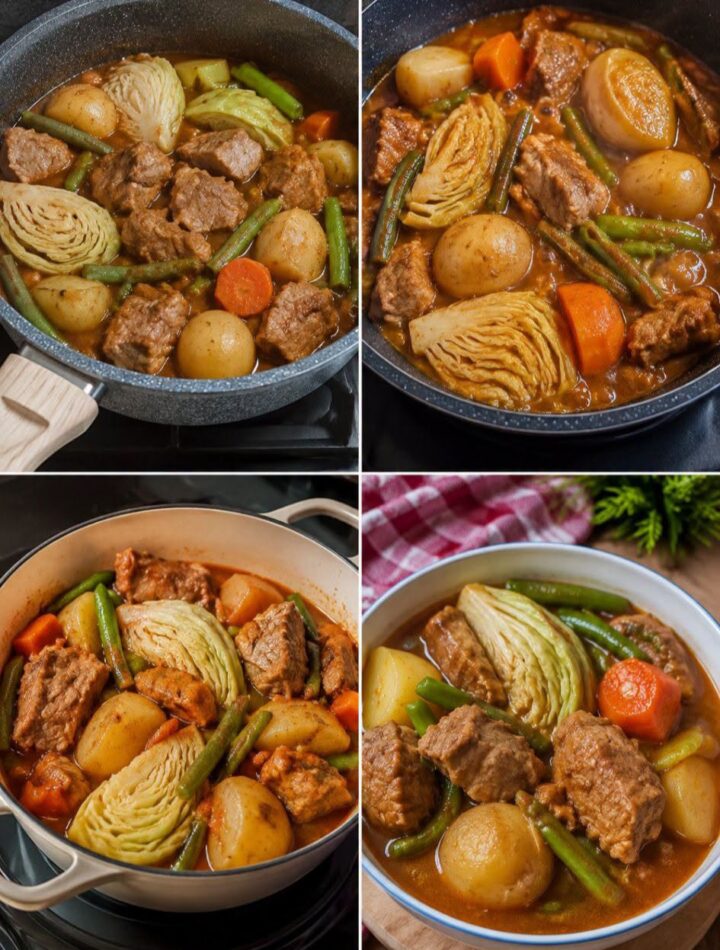
Classic Pork Pochero is one of the most comforting and flavorful Filipino dishes enjoyed by families for generations. This hearty pork stew combines tender pork, fresh vegetables, and a rich tomato-based broth to create a satisfying meal that is both nutritious and delicious. Whether served during family gatherings, weekend lunches, or special occasions, this traditional Filipino recipe remains a favorite because of its balanced flavors and wholesome ingredients. The combination of juicy pork belly or pork shoulder with potatoes, carrots, cabbage, and green beans creates a complete one-pot meal that pairs perfectly with freshly steamed rice. Unlike many other pork stews, Pork Pochero delivers a light yet savory broth enhanced by tomatoes, fish sauce, and aromatic garlic and onions. This recipe is easy enough for beginners while still producing restaurant-quality results. If you’re looking for the best Filipino pork stew recipe, authentic Pork Pochero recipe, or an easy homemade pork and vegetable stew, this guide provides everything you need to prepare a delicious meal that your family will request again and again.
What Makes Classic Pork Pochero Special
One of the reasons Classic Pork Pochero has remained popular throughout the Philippines is its perfect balance of meat and vegetables. Every ingredient contributes its own unique flavor and texture, creating a meal that feels complete without requiring complicated preparation. The pork becomes incredibly tender after slow simmering, while the vegetables remain vibrant and naturally sweet. Tomato paste adds richness to the broth without overpowering the natural taste of the pork. Fish sauce provides a deep savory flavor that is characteristic of Filipino cooking, while garlic, onions, and tomatoes build a fragrant foundation for the dish. The final result is a comforting stew that feels hearty without being overly heavy. Because it includes protein and vegetables in one pot, Pork Pochero is also an excellent choice for busy families seeking nutritious homemade meals. Its simple cooking process and familiar ingredients make it suitable for both everyday dinners and festive celebrations.
The History Behind Filipino Pork Pochero
Pochero has a fascinating culinary history that reflects the blending of cultures within Filipino cuisine. The dish traces its origins to Spanish cooking traditions, where “Puchero” referred to a meat and vegetable stew cooked slowly until everything became tender and flavorful. Over time, Filipino cooks adapted the recipe using local ingredients and traditional seasonings, resulting in the beloved version enjoyed today. Unlike the Spanish version, Filipino Pork Pochero typically includes fish sauce, tomatoes, and a lighter broth that highlights the natural sweetness of fresh vegetables. Different regions across the Philippines prepare their own variations, with some adding saba bananas, chorizo, chickpeas, or tomato sauce. Despite these regional differences, the heart of the recipe remains the same: tender meat cooked slowly with vegetables in a flavorful broth. This enduring popularity demonstrates how traditional recipes evolve while preserving the comforting flavors that families cherish across generations.
Why This Recipe Works So Well
This Classic Pork Pochero recipe succeeds because every cooking step builds layers of flavor. Browning the pork first develops rich savory notes while sealing in moisture. Sautéing garlic, onions, and tomatoes before adding liquid allows their natural sweetness to deepen and blend together. Tomato paste contributes concentrated tomato flavor, while fish sauce enhances the broth with umami richness without making it taste overly salty. Slow simmering transforms the pork into tender, juicy bites that absorb the surrounding flavors. Adding the vegetables in stages prevents them from becoming overcooked while ensuring every ingredient reaches the ideal texture. Potatoes become soft and creamy, carrots remain slightly firm, cabbage stays tender, and green beans maintain their vibrant color. This careful cooking process creates a balanced stew with satisfying textures and flavors in every spoonful, making it ideal for family meals throughout the year.
Choosing the Best Pork for Pork Pochero
Selecting quality pork is one of the most important factors in preparing an exceptional Pork Pochero. Pork belly produces a richer stew because of its layers of meat and fat, creating a silky broth with outstanding flavor. Pork shoulder, on the other hand, offers leaner meat while still becoming wonderfully tender after slow cooking. Both cuts perform beautifully, allowing you to choose according to your family’s preferences. Fresh pork should have a light pink color with firm texture and no unpleasant odor. Cutting the meat into evenly sized serving pieces ensures consistent cooking and attractive presentation. Avoid trimming away all the fat because it helps keep the meat moist throughout the simmering process. Whether you select pork belly or pork shoulder, patience during cooking allows the connective tissues to soften naturally, producing melt-in-your-mouth pork that makes this Filipino stew so satisfying.
Fresh Vegetables Create Better Flavor
Fresh vegetables play an essential role in the overall quality of Pork Pochero. Potatoes absorb the flavorful broth while becoming soft and creamy. Carrots provide natural sweetness that complements the savory pork, while green beans add freshness and a pleasant crisp texture. Cabbage contributes delicate sweetness and balances the richness of the meat without overwhelming the dish. Choosing firm, brightly colored vegetables ensures better taste, texture, and nutritional value. Cutting vegetables into similar sizes promotes even cooking and attractive presentation. Adding each vegetable according to its cooking time prevents overcooking, allowing every ingredient to retain its individual character. Fresh produce not only improves flavor but also makes the stew more visually appealing with vibrant colors that contrast beautifully against the rich tomato-based broth.
Building Rich Flavor Through Proper Cooking Techniques
Preparing Classic Pork Pochero is relatively simple, yet following the correct cooking techniques greatly improves the final dish. Heating the cooking oil before adding aromatics releases their natural fragrance and develops a flavorful base. Garlic should become aromatic without burning, onions should soften until translucent, and tomatoes should cook until they break down naturally. Browning the pork before simmering enhances its flavor through caramelization. Stirring in tomato paste before adding liquid allows it to cook slightly, removing any raw taste while deepening the color of the broth. Simmering gently rather than boiling vigorously keeps the pork tender and prevents the vegetables from breaking apart later in the cooking process. These straightforward techniques transform basic ingredients into a comforting Filipino classic worthy of any family dinner table.
Serving Suggestions for a Complete Meal
Classic Pork Pochero is traditionally served hot with steamed white rice, creating a filling and satisfying meal suitable for lunch or dinner. The rich broth soaks beautifully into freshly cooked rice, allowing every bite to capture the stew’s savory flavors. Some families enjoy serving extra fish sauce on the side so each person can adjust the seasoning according to personal preference. A simple cucumber or tomato salad can provide refreshing contrast to the hearty stew. Warm soup served alongside the meat and vegetables makes the meal especially comforting during rainy weather or cooler evenings. Leftover Pork Pochero often tastes even better the following day because the flavors continue developing overnight, making it an excellent choice for meal preparation and busy weekday lunches.
Storage, Reheating, and Meal Preparation
Classic Pork Pochero stores exceptionally well, making it ideal for preparing ahead of time. After cooling completely, transfer the stew into airtight containers and refrigerate for several days. The flavors continue blending during storage, often making leftovers even more delicious. When reheating, warm the stew gently over medium-low heat while stirring occasionally to prevent sticking. Adding a small amount of water or broth restores the desired consistency if the liquid has thickened during refrigeration. For longer storage, freeze portions in freezer-safe containers, leaving room for expansion. Thaw overnight in the refrigerator before reheating. Because this dish contains both protein and vegetables, it serves as a convenient ready-made meal for busy schedules without sacrificing homemade flavor or quality.
Notes for Perfect Classic Pork Pochero Every Time
Preparing excellent Pork Pochero is easy when a few simple guidelines are followed. Allow enough simmering time for the pork to become tender before adding vegetables. Taste the broth near the end of cooking before adjusting the salt because fish sauce already contributes seasoning. Add cabbage and green beans during the final few minutes to preserve their texture and bright appearance. If using pork broth instead of water, the stew develops an even richer flavor. Cut vegetables into uniform pieces for even cooking and attractive presentation. Gentle simmering always produces better texture than rapid boiling. Serve immediately after cooking for the freshest flavor, although leftovers remain equally enjoyable after proper storage and reheating.
Frequently Asked Questions
Many home cooks wonder whether pork belly or pork shoulder is better for Pork Pochero. Both work wonderfully, with pork belly offering richer flavor and pork shoulder providing a leaner alternative. Another common question concerns substituting water for pork broth. Water works perfectly well, although broth naturally creates deeper flavor. Some people also ask whether the vegetables can be changed according to availability. While this traditional recipe uses potatoes, carrots, green beans, and cabbage, maintaining these classic vegetables preserves the authentic taste of the dish. Finally, many cooks ask whether Pork Pochero can be prepared in advance. It certainly can, and many families believe the stew tastes even better after resting overnight because the flavors become more developed. Following the original ingredient list while using proper cooking techniques consistently produces a delicious homemade Filipino Pork Pochero.
Classic Pork Pochero Recipe Card
Description
Classic Pork Pochero is a traditional Filipino pork stew made with tender pork, potatoes, carrots, green beans, and cabbage simmered in a flavorful tomato-based broth. It is a hearty, comforting meal that is perfect for serving with steamed rice.
Preparation & Cooking Duration
- Preparation Time: 15 minutes
- Cooking Time: 1 hour 10 minutes
- Total Time: 1 hour 25 minutes
Serving
- Servings: 4–6
Ingredients
- 1 kilogram pork belly or pork shoulder, cut into serving-size pieces
- 2 tablespoons cooking oil
- 4 garlic cloves, finely minced
- 1 medium onion, chopped
- 2 medium tomatoes, chopped
- 2 tablespoons tomato paste
- 2 tablespoons fish sauce
- 3 cups water or pork broth
- 1 teaspoon ground black pepper
- Salt, adjusted to taste
- 4 to 5 small potatoes, peeled
- 1 large carrot, sliced
- 200 grams green beans (sitaw), trimmed
- ½ medium cabbage, cut into wedges
Step-by-Step Instructions
- Heat the cooking oil in a large pot over medium heat. Add the garlic, onion, and chopped tomatoes, then cook until softened and aromatic.
- Add the pork pieces and cook until lightly browned on all sides.
- Stir in the tomato paste followed by the fish sauce, mixing well to coat the pork evenly.
- Pour in the water or pork broth. Cover the pot and simmer gently for 45 to 60 minutes, or until the pork becomes tender.
- Add the peeled potatoes and sliced carrots. Continue cooking for 10 to 15 minutes until they are nearly tender.
- Add the trimmed green beans and cabbage wedges. Simmer for another 3 to 5 minutes until the vegetables are just cooked.
- Season with ground black pepper and salt according to your taste.
- Serve hot with freshly steamed rice.
Nutritional Information (Per Serving – Approximate)
- Calories: 520 kcal
- Protein: 27 g
- Carbohydrates: 22 g
- Fat: 35 g
- Saturated Fat: 13 g
- Cholesterol: 90 mg
- Sodium: 760 mg
- Fiber: 5 g
- Sugar: 7 g
- Potassium: 980 mg
- Vitamin A: 85% Daily Value
- Vitamin C: 55% Daily Value
- Calcium: 7% Daily Value
- Iron: 16% Daily Value